Instagram Stories Are Not Friendship
I spent 20 minutes last night watching Instagram Reels before bed. Just scrolling. I didn't text anyone. I didn't call anyone. I just consumed content from people I sort of know and felt like I was staying connected.
I wasn't.
A software developer named Joe Previte wrote a blog post about this exact problem. And what I like about Joe's post is that he's not a journalist or a researcher. He's just a regular person who noticed his friendships were disappearing. So he tried to do something about it.
I want to break down what he wrote and add some of my own thoughts. Because I agree with almost everything he says.
Joe's Story
Joe is a developer, a dad of two, and has worked remotely for five years. After his second kid was born, he realized that most of his “friendships” were really just online connections. Twitter. Discord. LinkedIn.
Sound familiar?
He describes how friendships dissolve without you noticing. He opens with a story about his friend Johnny from a bagel shop job. One day they were close. Then life happened. And the friendship just evaporated.

I feel this so strongly. You don't get a breakup text from a friend. There's no official ending. The calls just stop. The hangouts get further apart. And one day you realize it's been two years.
Social Media Is a Meal Replacement
Joe has a line that I keep thinking about. He says social media went from being a supplement to our friendships to being a full meal replacement.
And he's right.
Watching someone's Instagram story is not friendship. Liking their vacation photos is not friendship. Reacting to their Reel with a fire emoji is not friendship.
I'm guilty of this as much as anyone. I'll scroll through stories and feel like I know what's going on in people's lives. But I don't. I know what they're posting. That's different.
If you want to read more about why texting and scrolling aren't enough, I wrote about the research on why in-person connection matters so much more.
What Joe Actually Did About It
Here's what I respect about Joe's post. He didn't just complain. He ran two experiments:
1. A bilingual family playgroup. Joe and a friend started a WhatsApp group for Spanish-speaking families to do monthly playdates. It worked. New people showed up organically.
2. Coworking with friends. He missed the office. So he started meeting friends at coffee shops to work together. It grew to multiple cities.
I love the coworking idea. My friend Sianne created something similar called Momentum Monday. It's a structured coworking session at a brewery every Monday morning. People show up, work in 35-minute sprints, and actually talk to each other between rounds.
The point is the same. You don't need a new app or a formal program. You need a recurring time and place where people can show up.

Be the Initiator
Joe says you should be the person who reaches out. Even when it feels one-sided. Even when you're the one always texting first.
He's right. And I want to add something to this.
Everybody appreciates an invite. Even if they're busy. Even if they can't make it. The invitation itself matters. It keeps you top of mind. It tells someone you thought of them.
You'll feel like a broken record. You'll wonder if you're being annoying. You're not.
This is one of the core ideas behind my book The 2-Hour Cocktail Party. When you host a gathering, you become the person who brings people together. That's an identity shift. You go from waiting for invitations to creating them. And everyone appreciates being invited to a party.

Surprise Calls (Joe's Best Tip)
Joe's original post talks about making surprise phone calls. No scheduling. No “are you free Thursday at 3pm?” Just call.
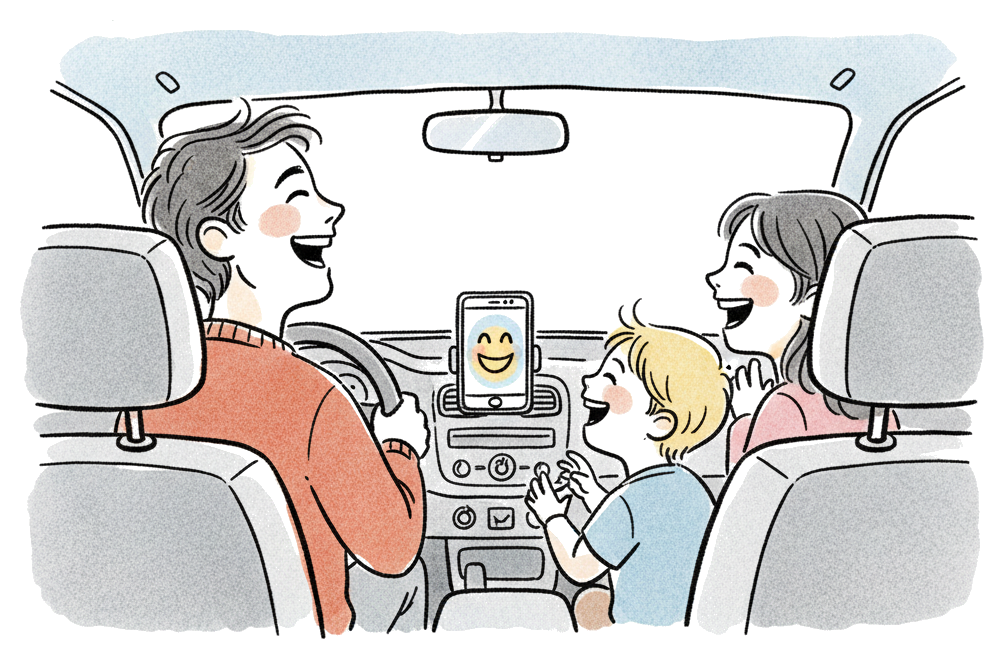
I reached out to Joe on Twitter to ask if he had any updates since writing the post. He said the biggest one is this: do your surprise calls while driving.
Instead of listening to music or podcasts on your commute, call a friend. Joe says he's been doing this with his kids in the car, and they love it.
I'm a huge believer in this. I wrote a whole post called Call Me Anytime about why I give people my phone number and tell them to just call. No scheduling. No texting first to ask if I'm free. Just call.
A 2020 UT study showed that people felt significantly more connected when they communicated by talking than by typing. That tracks.
The Reality Check
Joe is honest about the hard part. Building friendships takes a ton of time. With a full-time job and kids, the hours are limited.
I want to add one thing here. Your life stage matters.
I used to give people free airport rides to meet interesting people. I used to say “call me anytime” to basically everyone. Now that I'm married, my threshold is different. I still believe in all of this. But the way I apply it has changed.
And that's okay. The tools change. The principle doesn't. Show up for people. Be the one who reaches out. Make it easy to connect.
Drop-Ins and Group Texts
Two more things from Joe that I want to highlight:
Drop-ins work. Call a friend the day before. Or that morning. And just go visit. This is especially great for parents with kids. Don't overcomplicate it with scheduling. Just show up.
Group texts are real connection. I have a group text with some close guy friends here in Austin. We share memes. We share funny stuff. It sounds small but it keeps us in each other's lives between the actual hangouts.
Joe talks about both of these in his post. I'd really recommend reading the whole thing.
The Bottom Line
Joe Previte isn't famous. He doesn't have a huge platform. He's a software developer in Arizona who noticed his friendships were slipping away and decided to do something about it.
That's the whole point. You don't need permission to fix this. Start a coworking session. Make a surprise call on your drive home. Send a text to your group chat. Host a small party.
The friendship recession is real. But it's not something that happens to you. It's something you can push back against, one phone call at a time.
Originally published at: joeprevite.com

Nick Gray
Author & Entrepreneur
I wrote The 2-Hour Cocktail Party to help people build real friendships through small gatherings. This site collects research and stories about the friendship crisis.