Why Every Personal Website Needs a /friends Page
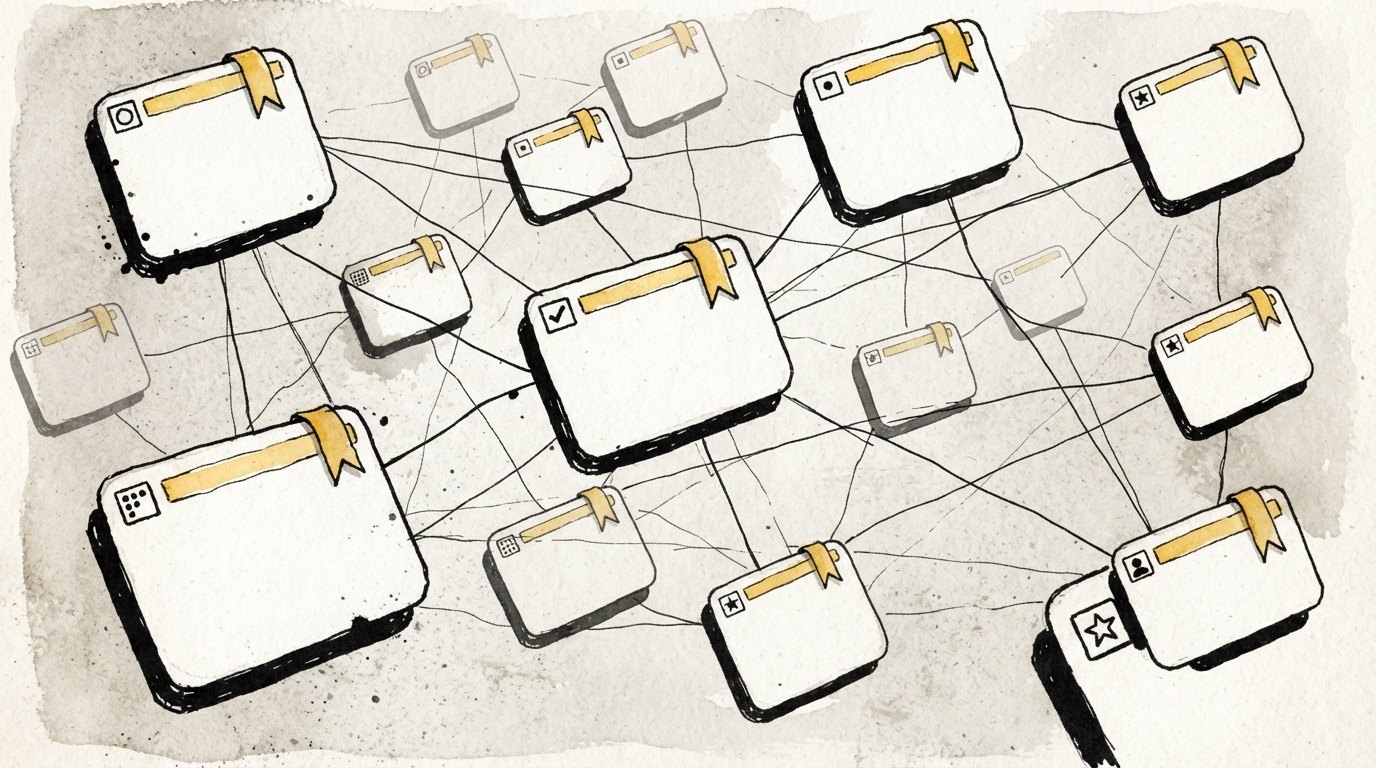
Quick note: this is an announcement for a new project I made called slashfriends.org. Go poke around if you want. The rest of this is the longer story of why I built it.
I clicked through my own personal website last week and counted the pages.
An about page. A now page. A contact page. A page about my book. A page called Call Me Anytime where I give my actual phone number to strangers.
Nowhere on my entire personal website was there any evidence that I have friends.
That bugged me. I've spent years telling people that friendship is worth real effort. And my own corner of the internet said nothing about the people I love.
So I built nickgray.net/friends and put my friends on it. Then I built slashfriends.org, a directory so you can find everybody else's.

The number behind all of this
17% of Americans say they have no close friends. In 1990 that number was 3%. That's the Survey Center on American Life, and it's the stat this whole site is built around. I keep the rest of them on my friendship recession statistics page.
But I'm not here to make you sad. I'm here to tell you about a web page, and how maybe, just maybe, a single page on your personal website can help you make more friends.
What's a /friends page?
It's a list of people you know and like online. That's the whole thing.
Think about your real-life friends who have personal websites or social profiles. Think about the people you read and love. Think about who you'd invite over for a dinner party or a happy hour.
It's literally just a list of friends, and it lives at one address: yourdomain.com/friends.
Here's the thing: we hoard our links. Almost every link on our sites points back at ourselves.
- Buy my thing
- Read my other posts
- Join my list
- Sign up for my mastermind
Sheesh.
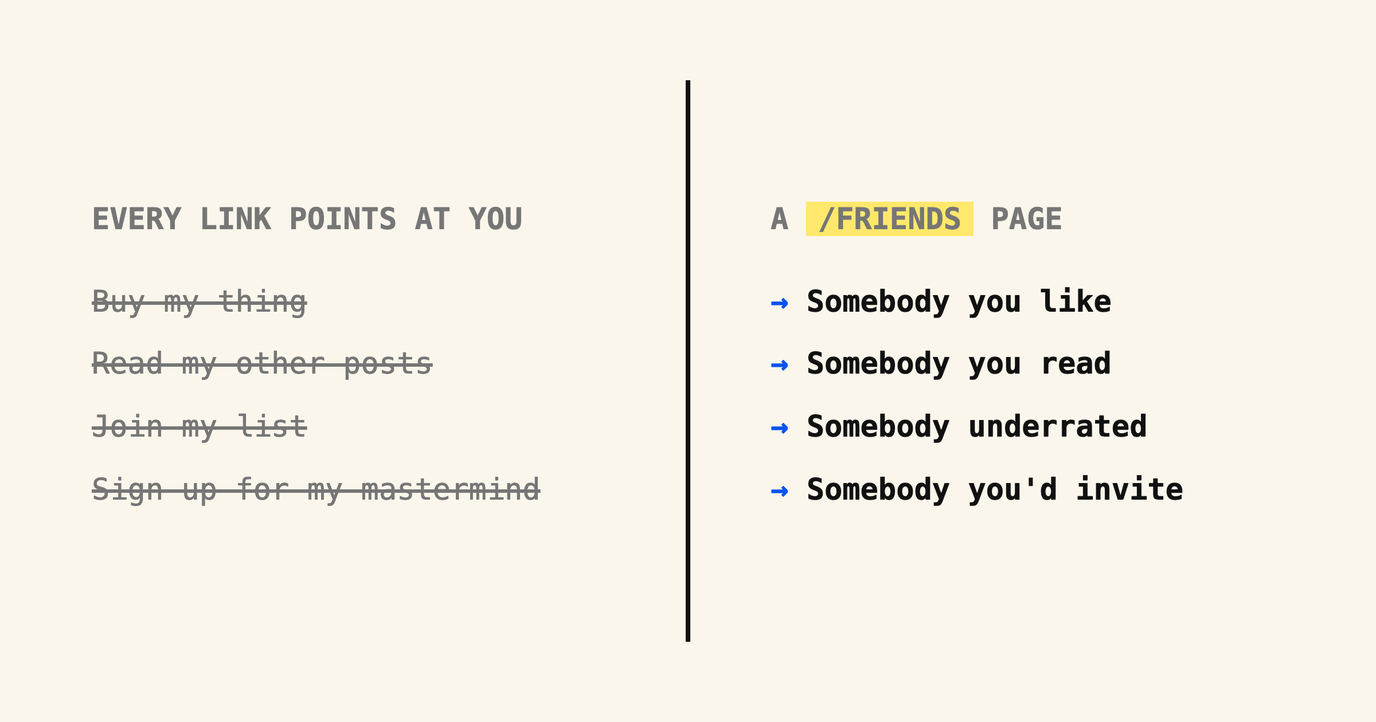
A /friends page is the opposite. It's generous and it's kind. You link out to help people discover new people, and that's what the internet was built on. The old internet ran on hyperlinks, and I want to bring that back.
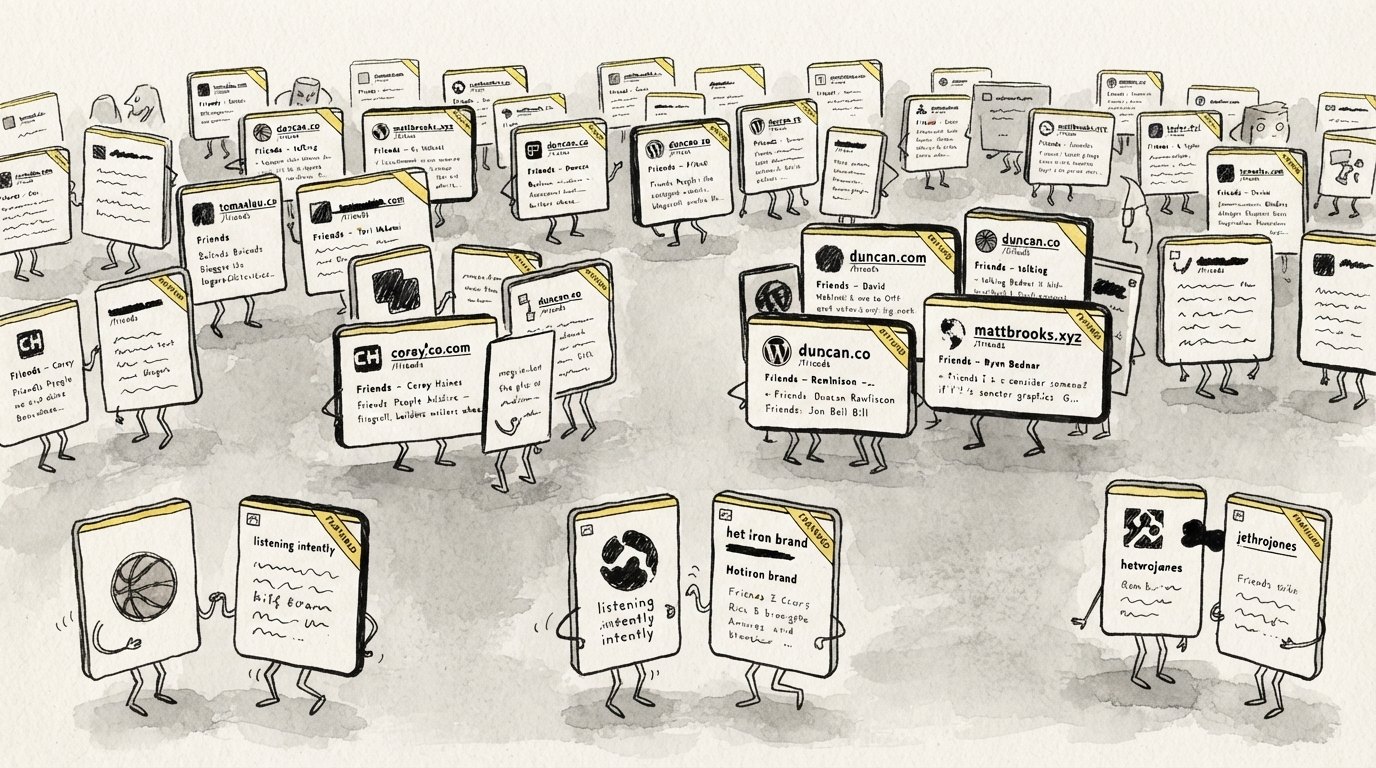
I'm calling it the link recession, and I'm only about 60% joking.
But does a personal website actually help you make friends?
A link is not a friendship. Nobody thinks it is.
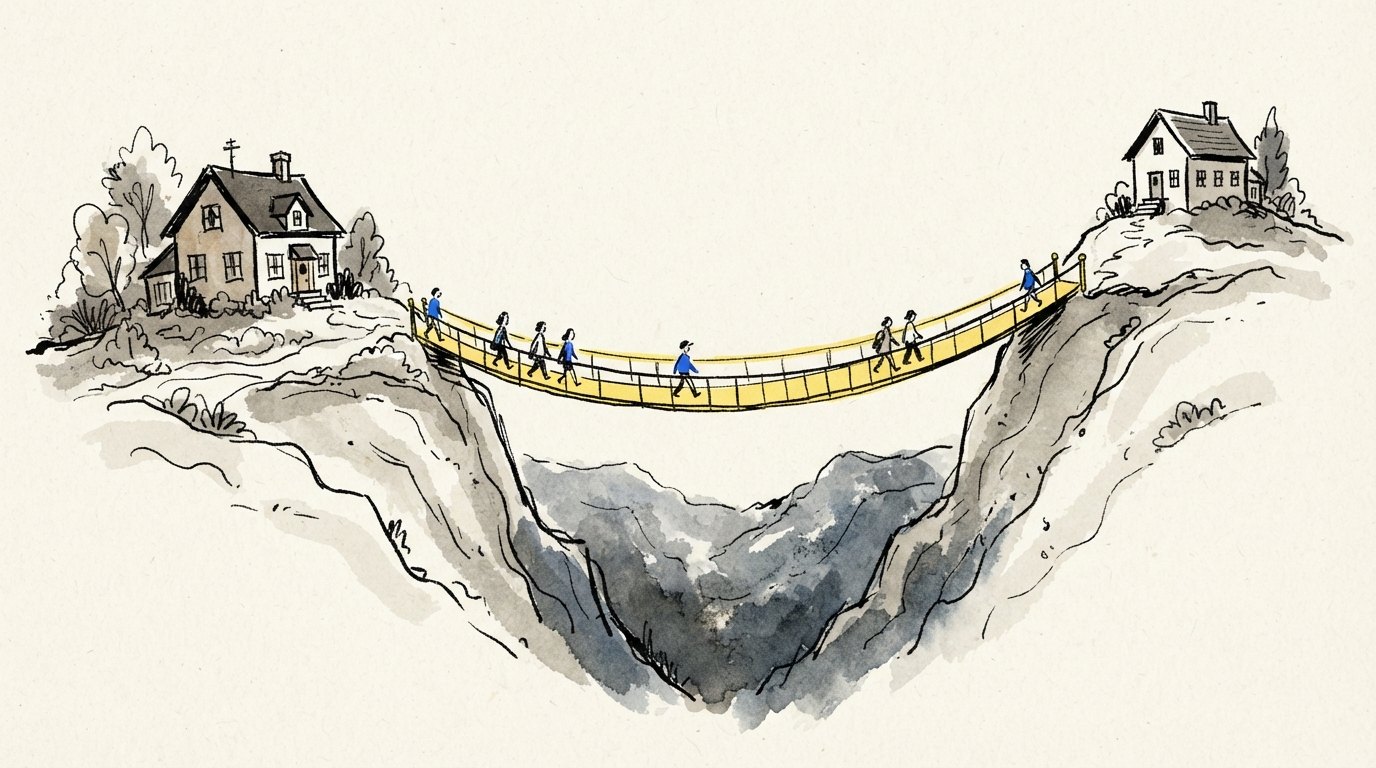
But ask the same question about social media. Does Instagram help you make friends? Almost objectively, yes. A profile gives people a way to find you and a reason to reach out.
Personal websites do the same job. We just stopped using them that way.
My friend Zach Ware started reading my personal website back in 2018. He signed up for my newsletter in 2020. We met for coffee here in Austin in 2021. We started hanging out in 2022. By 2023 he was one of my best friends in the whole world.
Personal websites plant slow seeds.
The page didn't do the work. Zach did. He's the one who sent the note.
Quinn called me
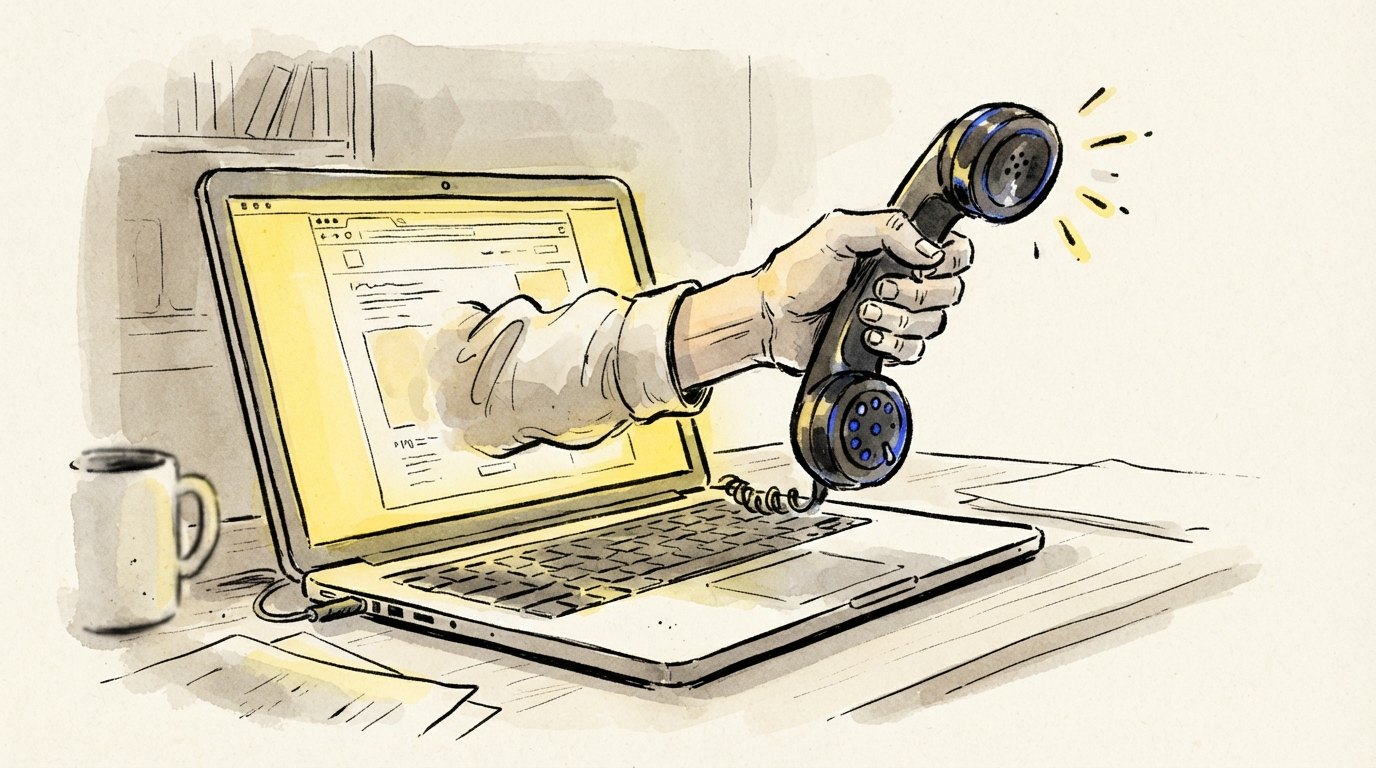
My phone rang from a number I didn't recognize.
It was Quinn. She'd found my Call Me Anytime page, where I say people can call me between 11am and 9pm, seven days a week. So she did.
We had a delightful conversation and we're still in touch. She also went and built her own /friends page, and she was the first person to do it.
A blog post turned into a phone call turned into a friend.
Somebody has to be the host
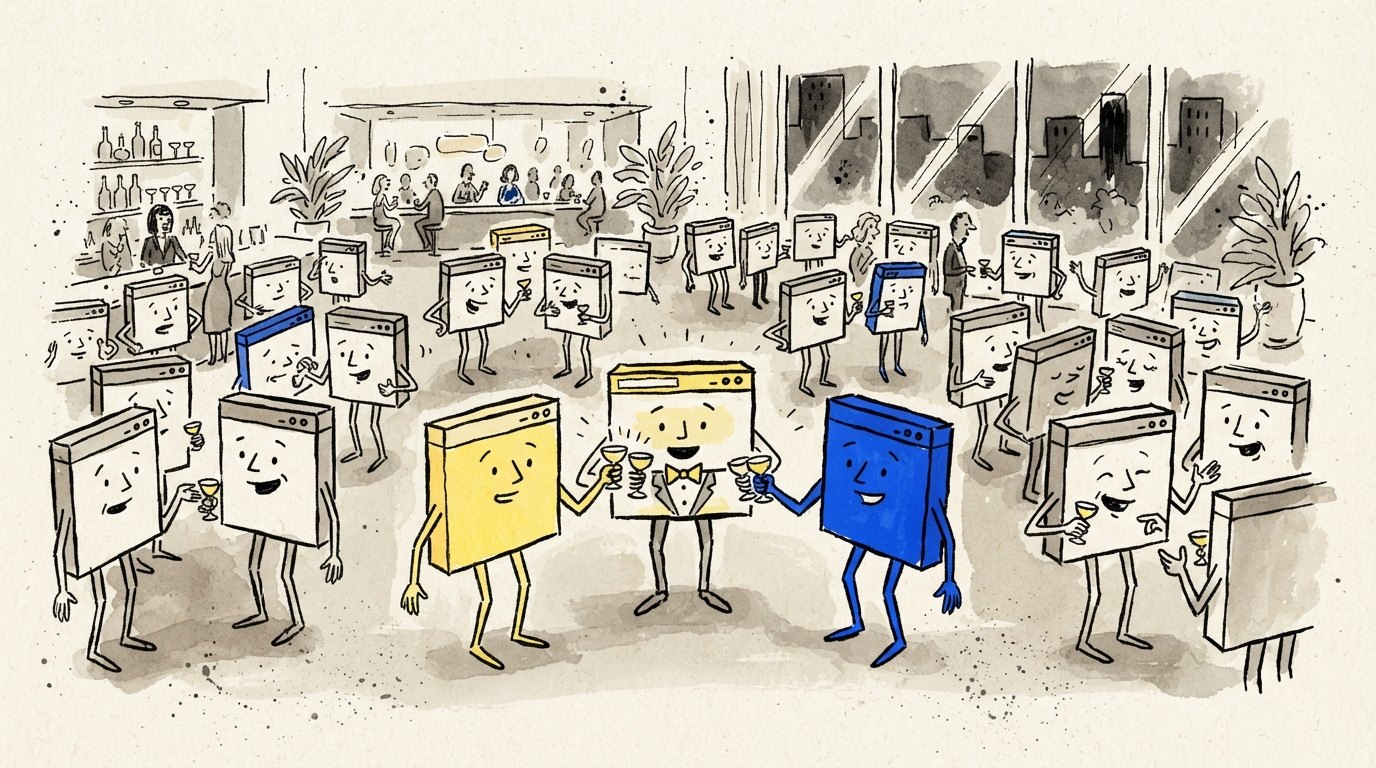
The core idea in The 2-Hour Cocktail Party is that parties don't happen on their own. Somebody has to decide to be the person who sends the invite.
A personal website is a name tag on the internet. But when it's your own personal website, you get to do more than wear the name tag. You get to make the introductions.
What to put on it
- 5 real friends. People you actually know. Start here.
- 5 good follows. Who's underrated online? Whose work do you love?
Write one sentence about each person and say why you like them. Link to their personal website when they have one.
Don't overthink what counts as a friend. You'll paralyze yourself.
Put it at /friends. Not /links, not /blogroll. The whole point is that we all use the same address.
And after you publish it, email one person on the list and tell them you put them there. That's the move. The page is just the excuse to make it.
What is a /friends page?
A /friends page is a page on your personal website, at yourdomain.com/friends, where you link to people you know and like and write a sentence about each one. It's a modern blogroll. The address is standardized so the pages are easy for people and search engines to find.
Isn't a /friends page just a blogroll?
Yes. Blogrolls were lists of sites an author read, and they mostly disappeared. A /friends page brings the idea back with two changes: it lives at one predictable address on every personal website, and it's about people rather than publications.
What should I put on my /friends page?
Start with five real friends and five people whose work you love online. Write one sentence about each person explaining why you like them. Link to their personal website when they have one, or a social profile when they don't. Ten links is plenty.
Does having a personal website actually help you make friends?
A personal website doesn't make friends for you. It gives people a way to find you and a reason to reach out, the same way a social profile does. The connection happens when someone sends a note. A /friends page makes that easier by showing who you already know.
How do I get my /friends page listed on slashfriends.org?
Publish a page at yourdomain.com/friends, then submit your domain at slashfriends.org/submit. The site checks that the page is live and lists it right away. No account needed. Listings are re-checked daily.
Go make one
Ten links, one sentence each, ten minutes.
Then submit it to slashfriends.org so other people can find it. The first 50 people to submit also get a link from my own page.
Don't have a personal website yet? Get a free one at personalwebsites.org. Then give it a /friends page.
The web is better with friends on it.

Nick Gray
Author & Entrepreneur
I wrote The 2-Hour Cocktail Party to help people build real friendships through small gatherings. This site collects research and stories about the friendship crisis.